The Donald Kerst Lecture Series was established in 2024 and is made possible by an anonymous donor. The Donald Kerst Lecture is presented in partnership with the Wisconsin Distinguished Lecture and brings important scientists to campus to speak to our campus community. The lecture series is open to the public. The Donor wishes to honor the Donor’s late thesis advisor, Professor Donald W. Kerst of the University’s Physics Department, by support a visiting lecture series on campus featuring Nobel laureates from the following areas: Physics, Chemistry, Life Science, and other areas of applied science. The purpose of this lecture series is to inspire UW students, faculty, and Madison residents to get more involved in science.
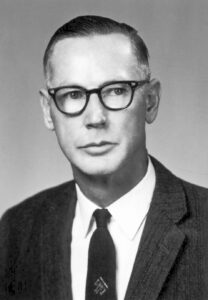
Donald W. Kerst
Education: University of Wisconsin-Madison (BA 1934, PhD 1937)
Affiliation: University of Illinois at Urbana Champaign (1938-1957), General Dynamics (1957-1962), University of Wisconsin-Madison (1962-1980)
Awards and Honors:
Honorary degree, Lawrence College, 1942.
Awarded Comstock Prize in Physics, National Academy of Sciences, 1943.
Awarded John Scott Award, City of Philadelphia, 1946.
Awarded John Price Wetherill Medal, Franklin Institute, 1950.
Elected to the National Academy of Sciences, 1951.
Honorary degree, University of São Paulo, 1953.
Honorary degree, University of Wisconsion, 1961.
Founding member of the World Cultural Council, 1981.
Awarded James Clerk Maxwell Prize in plasma physics, American Physical Society, 1984.
Awarded Robert R. Wilson Prize for accelerator physics, 1988.
Honorary degree, University of Illinois, 1989.
Donald W. Kerst earned both a BA (1934) and a PhD (1937) from University of Wisconsin-Madison. His thesis, titled “The Development of Electrostatic Generators in Air Pressure and Applications to Excitation Functions of Nuclear Reactions,” involved developing a 2.3 MeV generator for use in proton scattering experiments.
Kerst had a distinguished career as a physicist. While at University of Illinois, he developed the betatron in 1940, which had a fundamental influenced on many subsequent particle accelerators. During the war, he was in charge of the P-7 group and later the G-5 group at Los Alamos Laboratory. In the 1950s he was technical director of the Midwestern Universities Research Association, contributing to the advancement of accelerator designs.
Starting in 1957, Kerst worked on plasma physics within the General Atomics division of General Dynamics. From 1962 to 1980, he continue work in plasma physics as a professor at University of Wisconsin-Madison. He and Tihiro Ohkawa invented toroidal devices for containing plasma with magnetic fields.
He and Tihiro Ohkawa invented the toroidal octupole device with average-minimum-B configuration for substantial improvements in plasma confinement with magnetic fields.
Kerst was both highly accomplished and much loved as a compassionate and inspiring advisor, as related in Eulogy to Donald Kerst by Clint Sprott.
Further reading:
- National Academy of Sciences book excerpt about Kerst
- Kerst background from the Atomic Heritage Foundation
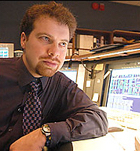 |
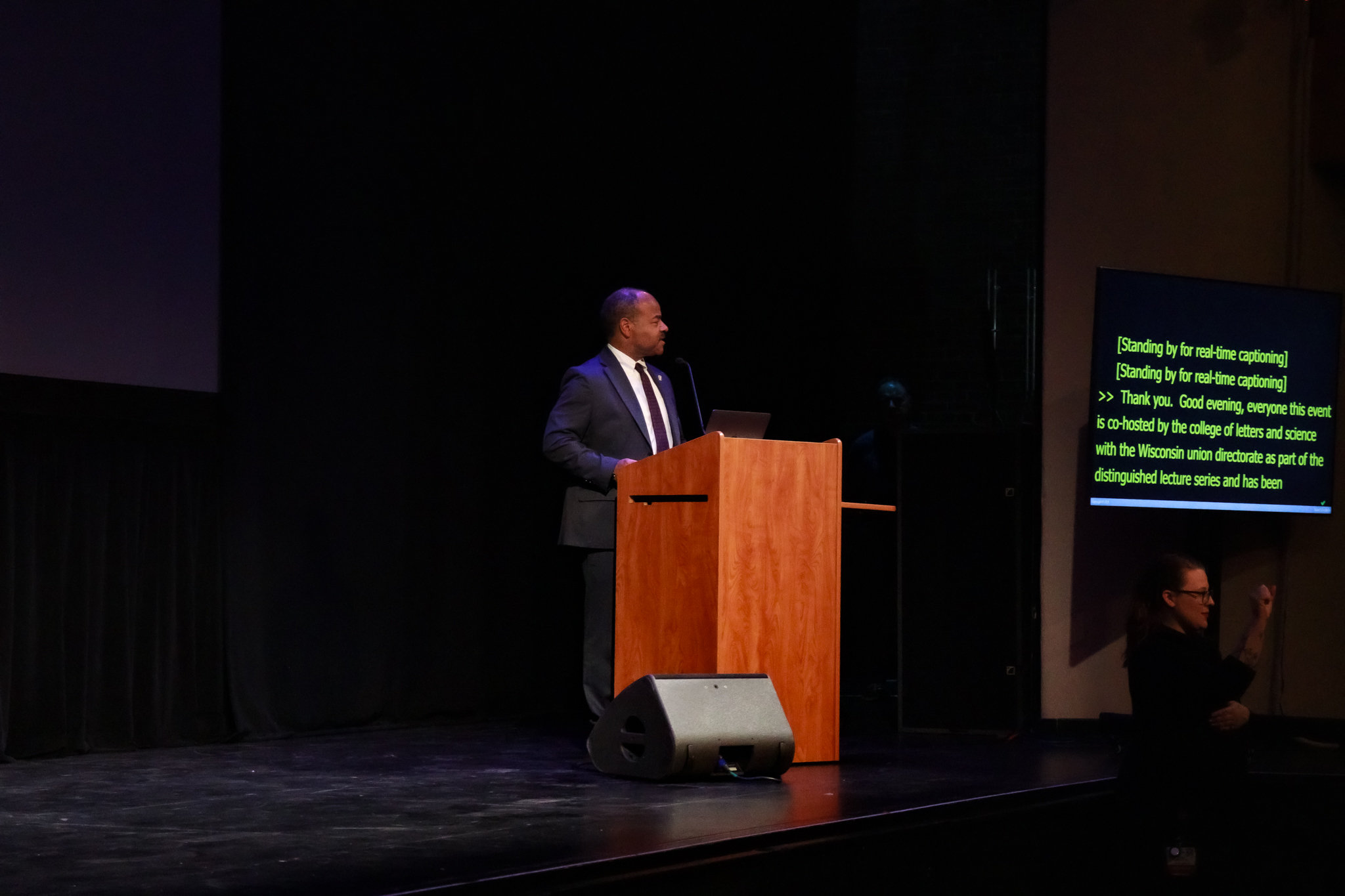
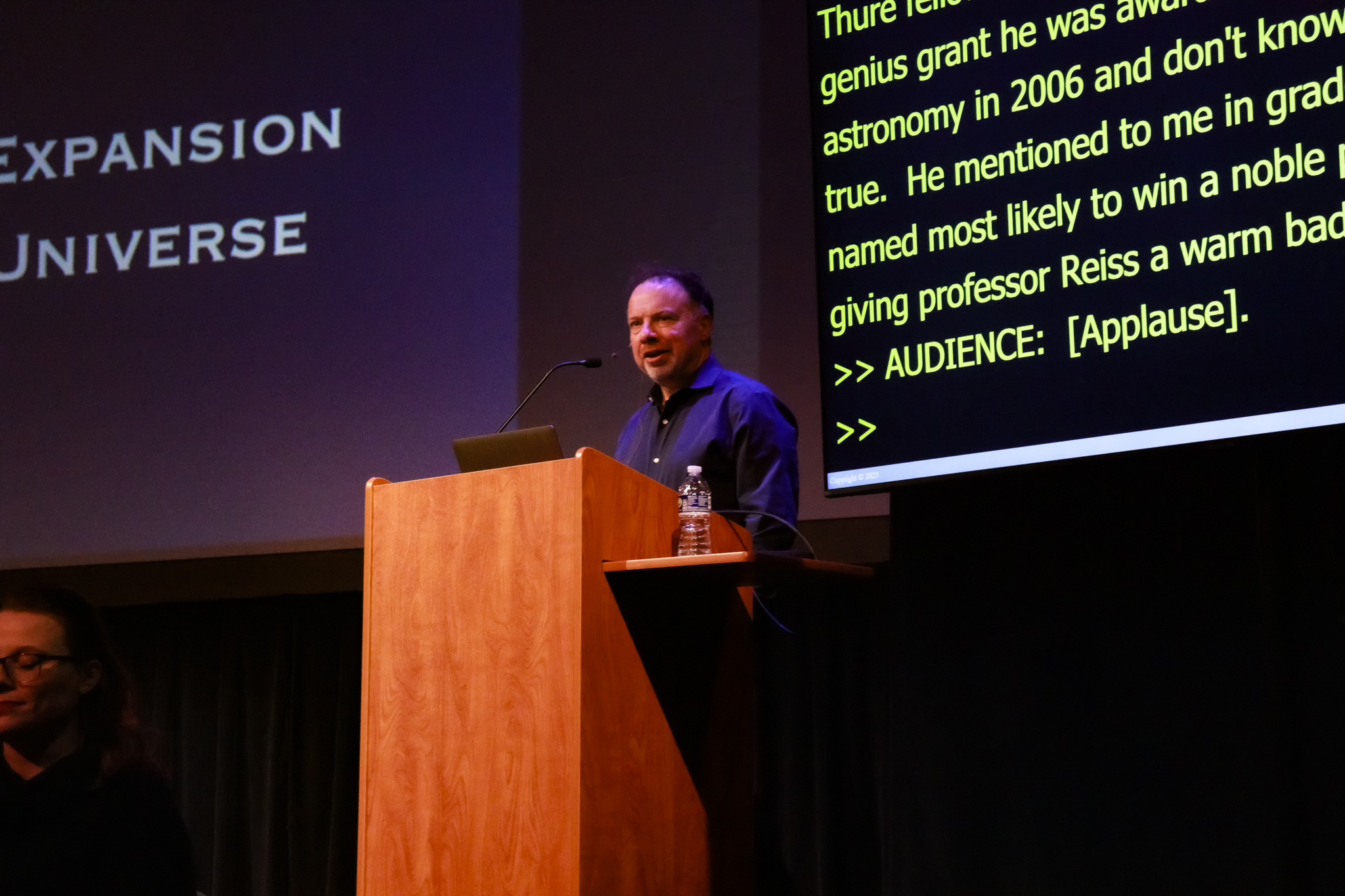
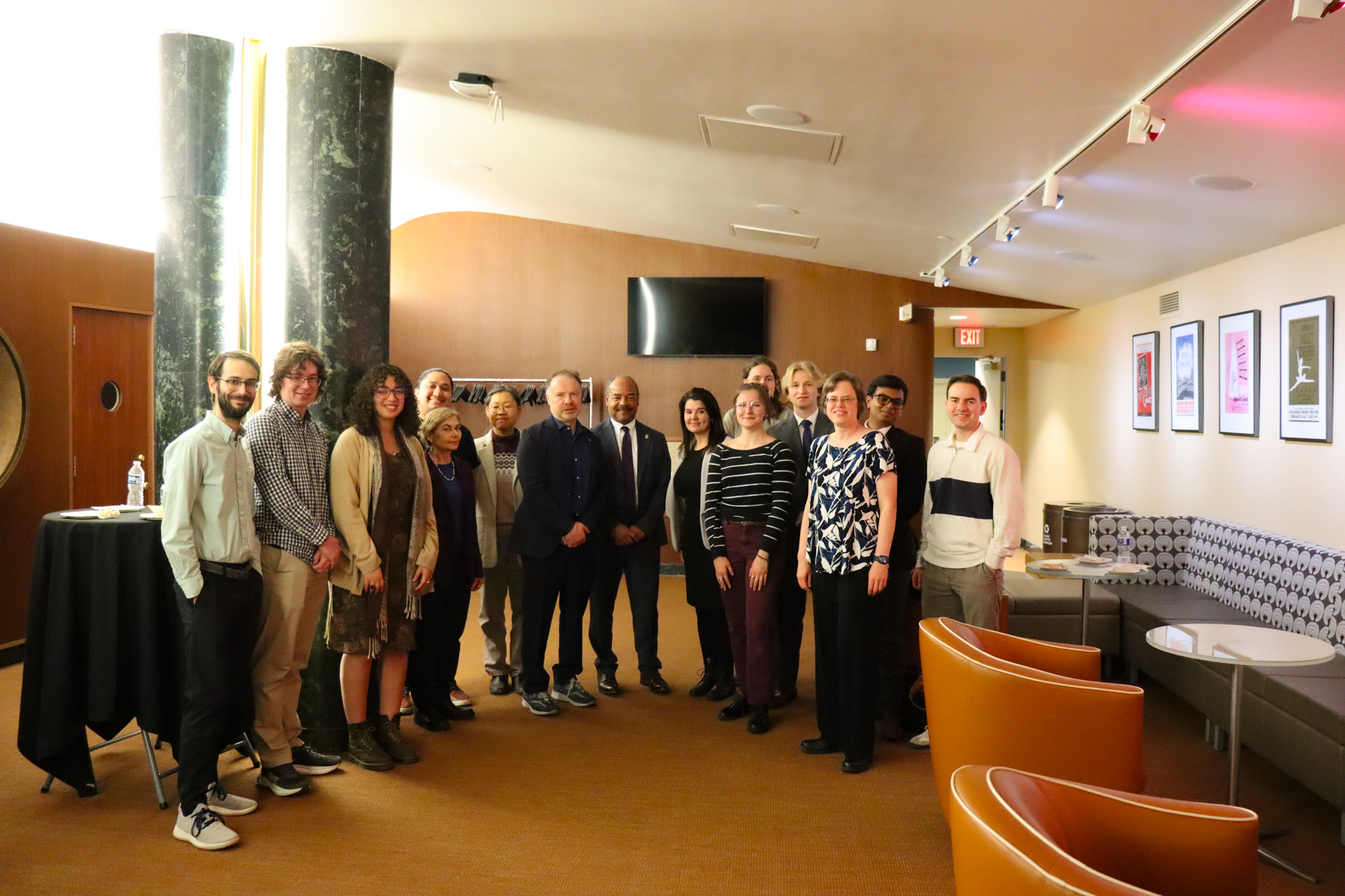
[April 2025] Adam Riess (Johns Hopkins University) Lecture: “The Surprising Expansion History of the Universe” Event Photos: Intro by Dean Wilcots, Adam Riess Lecturing, Student ReceptionDr. Adam G. Riess is a Professor of Astronomy and Physics at the Johns Hopkins University and a Senior member of the Science Staff at the Space Telescope Science Institute, both in Baltimore, MD. His research involves measurements of the cosmological framework with supernovae (exploding stars) and Cepheids (pulsating stars).In 1998 Dr. Riess led a study for the High-z Team which provided the first direct and published evidence that the expansion of the Universe was accelerating and filled with Dark Energy (Riess et al. 1998, AJ, 116, 1009), a result which, together with the Supernova Cosmology Project’s result, was called the Breakthrough Discovery of the Year by Science Magazine in 1998.On the ten year anniversary of this discovery, Symmetry Magazine reprinted the key page from his lab notebook showing the first indication that the expansion of the Universe was accelerating. He followed this work with a number of studies to test the susceptibility of this measurement to contamination by unexpected types of dust or evolution. To this aim, Dr. Riess led the Hubble Higher-z Team beginning in 2002 to find 25 of the most distant supernovae known with the Hubble Space Telescope, all at redshift greater than 1. This work culminated in the first highly significant detection of the preceding, decelerating epoch of the Universe and helped to confirm the reality of acceleration by disfavoring alternative, astrophysically-motivated explanations for the faintness of supernovae (Riess et al. 2004, ApJ, 607, 655).
|
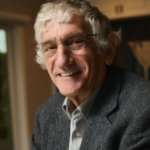 |
[March 2026] John Martinis (Qolab, University of California, Santa Barbara) Lecture: “Engineering the Quantum Future”John Martinis joined UC Santa Barbara in 2004 and for many years held the endowed Susan and Bruce Worster Chair in Experimental Physics. A quantum device developed by Martinis and campus colleagues was named the 2010 Breakthrough of the Year by Science magazine. In 2014, Martinis and his team were hired by Google Quantum AI to build a quantum computer, an effort that led to a 53 entangled qubit system that took on — and solved — a problem considered intractable for classical computers. After leaving Google in 2020, Martinis joined Australian startup Silicon Quantum Computing; in 2022 he co-founded the quantum computing company Qolab, where he serves as chief technology officer.Martinis in 1987 obtained his doctorate in physics from UC Berkeley, under the guidance of John Clarke, his advisor and collaborator – along with Michel Devoret — on the work that earned the trio the 2025 Nobel Prize in Physics. |